
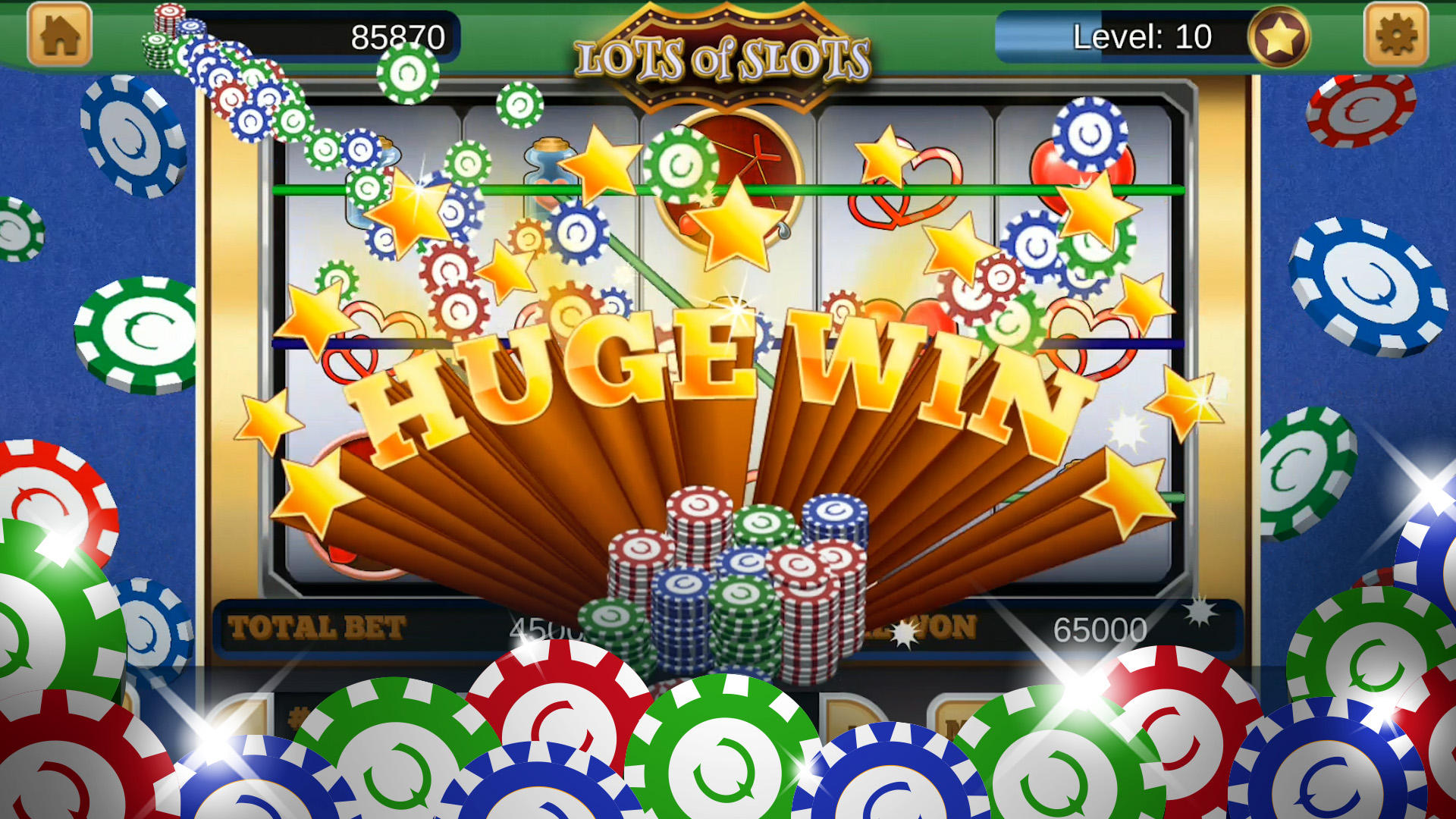
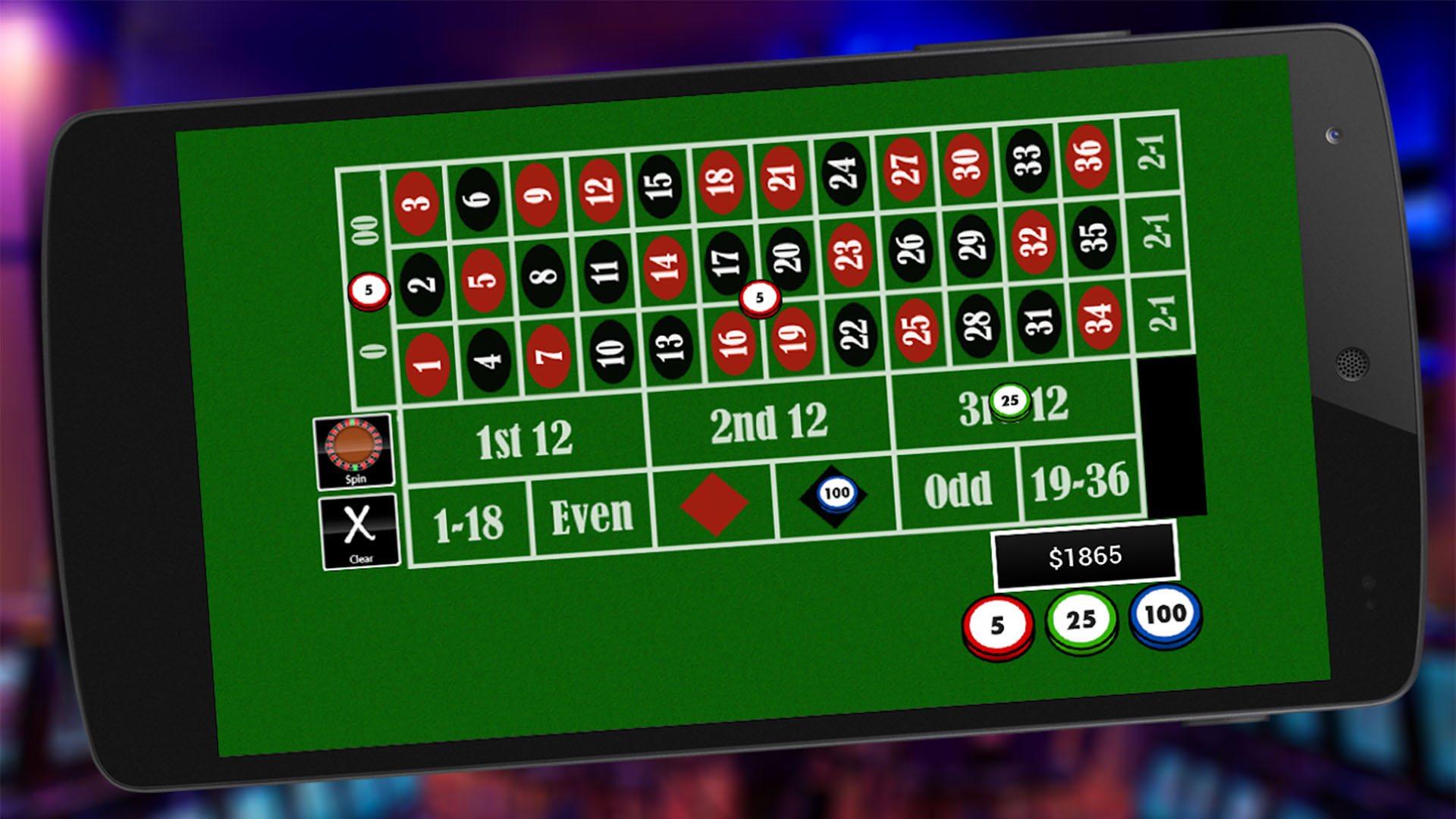
Mobile access determines an online casino these days, and Winshark Casino draws plenty of questions on exactly that point. Getting the Winshark platform onto an iOS device presents a specific technical and regulatory puzzle to unpack. Instead of providing a downloadable app through the Apple App Store, Winshark Casino created a progressive web application that runs the full platform right inside Safari. That technical choice avoids the tight restrictions Apple sets on real-money gambling apps while still offering a premium feel that matches what you would get from a native app. The mobile web version loads casino games, processes account functions, executes deposits and withdrawals, and retains session data through secure browser storage. Anyone visiting from an iPhone or iPad receives a responsive interface that reshapes itself to fit the screen, react to touch, and match device orientation. No App Store listing doesn’t indicate a cut-rate experience. It represents a deliberate architectural choice designed to keep service running across every Canadian province, where online gambling rules change from one region to the next.
Understanding the Winshark App Mobile Strategy
The Winshark app ecosystem functions on a web-first philosophy. Universal compatibility takes precedence than native installations. The development teams figured out early that handling separate codebases for iOS, Android, and desktop leads to fragmentation, hinders feature rollouts, and creates security gaps at every distribution point. By directing engineering resources into one responsive web platform, Winshark Casino guarantees feature parity across all devices at the same time. The technical stack relies on HTML5 canvas rendering for slot animations, WebGL acceleration for table game graphics, and secure WebSocket connections for live dealer streams. These technologies perform identically whether you open Safari on an iPhone 15 Pro or Chrome on a flagship Android phone. Canadian players come out ahead because provincial regulatory frameworks do not always align with Apple’s global App Store policies. That mismatch could cause access gaps, and browser-based delivery sidesteps them cleanly. The platform also eliminates the annoyance of manual updates. Server-side deployments refresh the experience for everyone instantly, no tapping required.
Structural Design Behind the Browser Experience
Current browser features have shrunk the performance gap separating native apps from web platforms almost to zero. Winshark Casino leverages service worker scripts that enable background data caching, offline access to static game assets, and push notification delivery through Safari’s web push API launched in iOS 16.4. These service workers activate on first visit and then handle network requests to serve locally stored resources, reducing load times for returning players. The platform employs IndexedDB for persistent storage of user preferences, game state snapshots, and transaction histories, all encrypted at rest using AES-256 standards. WebRTC protocols handle real-time communication for live dealer tables, maintaining latency under 500 milliseconds, which rivals dedicated applications. The graphics pipeline relies on requestAnimationFrame scheduling to sync animation frames with device refresh rates up to 120Hz on ProMotion displays. That means slot reel spins and card dealing animations remain smooth as butter. Memory management routines actively purge unused texture data and DOM nodes to avoid the progressive slowdown that used to create browser-based gaming a bad name.
Service Worker Lifecycle and Performance Optimization
The service worker setup process starts unobtrusively in the course of the original page load, fetching approximately 12 megabytes of compressed game assets and interface pieces. Repeat visits cause the cached structure to load within 800 milliseconds while fresh content loads bit by bit in the background. This architecture produces the impression of instant loading that rivals or beats native app launch times. The service worker refreshes through a background sync process that compares version hashes against the server manifest, grabbing only changed files to keep data consumption low on cellular connections. Canadian players situated in regions with spotty broadband obtain a real boost from this efficiency. The differential update mechanism saves bandwidth while maintaining everything working. Cache storage limits respect device capacity constraints, automatically tossing the least accessed game assets when storage pressure exceeds 80 percent of the browser allocation. This smart management ensures the Winshark platform experience stays snappy even on older iPhone models with more limited resources.
Comparing Web App Experience to Native Casino Applications
Pitting the Winshark web application against traditional native casino apps shows trade-offs that favor toward the browser approach for most Canadian players. Native apps commonly achieve slightly faster cold-start times, around 1.2 seconds versus 2.0 seconds for the web platform on equivalent hardware. But the web app wipes out the 200 to 400 megabyte initial download that native casino apps need, a real factor for anyone managing tight device storage. Push notification reliability splits along different lines. Native apps keep persistent background connections alive, while web push relies on Apple’s notification service, which may hold delivery during periods of low device activity. The web platform makes up for it with in-app notification badges that update on launch and email alerts you configure through account settings. Game performance differences have diminished to the point where they hardly matter. Both approaches hold steady at 60 frames per second on modern hardware for standard slot and table game content. The biggest win for the web approach rests in update frequency. Server-side changes deploy instantly without App Store review delays that can stretch feature rollouts by days or weeks.
Space and Data Management Differences
Native apps get predictable storage allocation managed through iOS system controls. Web apps operate inside Safari’s tighter website data limits. The Winshark app closes this gap with aggressive cache management that puts frequently played game assets first and automatically dumps content not accessed within a 30-day window. Players who stick to a core set of 10 to 15 games will find those titles stay cached while the occasional spin on new releases loads on demand without bloating storage. The web app usually eats between 80 and 150 megabytes of device storage depending on usage patterns. Compare that to native casino apps that routinely blow past 500 megabytes after a few months of updates and cached content. Data usage on cellular connections also tips toward the web approach. Differential updates transfer only changed assets rather than demanding full application binary replacements. Players can manually clear all stored data through Safari’s website data management interface or through the dedicated option inside the Winshark platform settings. That granular control is something native apps rarely hand to end users.
Steps to Install the Winshark App on iOS Devices
Setting up the mobile casino app Winshark platform on an iPhone or iPad home screen delivers an experience you won’t tell apart from a native application. The process uses Apple’s “Add to Home Screen” feature, which creates a standalone web app with its own icon, splash screen, and dedicated browser instance separated from Safari’s main window. Kick off by heading to the Winshark Casino website through Safari. Other browsers like Chrome or Firefox on iOS lack the hooks needed for home screen installation, so Safari is non-negotiable. Once the page loads fully, tap the Share icon in Safari’s toolbar and choose “Add to Home Screen” from the action sheet. The system requests a display name, which defaults to “Winshark Casino,” and pulls the platform’s defined icon from the web manifest file. After you confirm, the icon lands among your native apps with full access to device features like haptic feedback, biometric authentication through Face ID or Touch ID, and secure enclave key storage for login credentials. The installed web application runs in full-screen mode without browser chrome, optimizing usable display area on every iPhone screen size from the SE to the Pro Max models.
Step-by-Step Home Screen Installation Guide
- Launch Safari and type in the proper Winshark Casino web address exactly as provided by customer support or official communications
- Let the page render completely. You will recognize it is done when the loading indicator in the address bar completes
- Touch the Share button sitting at the bottom center of the screen on iPhones or top right on iPads
- Scroll through the action sheet until you spot “Add to Home Screen” and choose it
- Review the icon preview and name, then hit “Add” in the upper right corner
- Look for the new Winshark icon on the home screen and click to open the standalone experience
- Access with your existing credentials or finish the registration process inside the dedicated window
After installation, the web app maintains its own cookie storage and local data distinct from standard Safari browsing. That isolation offers security perks by blocking cross-site tracking while making sure that clearing regular browser history does not wipe saved game preferences or login states. Players should keep in mind that iOS occasionally clears website data from standalone web apps when storage pressure approaches critical levels. But the service worker reconstructs cached assets automatically on next launch. The installation process demands no Apple ID authentication, no App Store review delays, and no regional availability restrictions that might otherwise block Canadian players from reaching gambling applications through official channels.
iOS Compatibility and Hardware Requirements
The Winshark app web platform encompasses a wide swath of Apple’s mobile ecosystem, accommodating devices using iOS 15.0 and later. That coverage goes all the way back to the iPhone 7 series from 2016, so players using older hardware do not get excluded from the action. The platform runs hardware detection during initial load and tweaks graphical fidelity up or down accordingly. It reduces particle effects and animation complexity on devices with less GPU headroom while cranking full visual quality on newer models packing the A15 Bionic chip and beyond. iPad compatibility covers all models that can run iPadOS 15, with extra care applied to the larger canvas on the 12.9-inch iPad Pro where table games shine with expanded layouts. The responsive design system uses CSS container queries rather than simple media queries, so interface elements adjust based on available space rather than just device classification. This nuanced approach means Split View and Slide Over multitasking modes on iPad show the casino interface correctly without overlapping controls or truncated game views.
- iPhone models from iPhone 7 through iPhone 15 Pro Max with iOS 15.0 or newer
- All iPad Pro generations running iPadOS 15.0 or later
- iPad Air 2nd generation and newer with updated operating system
- iPad mini 4th generation and later releases
- iPod touch 7th generation as the minimum supported media player device
- Safari browser required for installation; Chrome and Firefox function for browsing but not home screen addition
Network requirements are modest. The platform is designed to run on connections as slow as 3 Mbps for standard slot play. Live dealer streams need more bandwidth, scaling automatically from 720p at 3 Mbps through 1080p at 8 Mbps to 4K resolution at 25 Mbps for players lucky enough to have fiber. The adaptive bitrate streaming tracks packet loss and jitter in real time, dialing quality down early so buffering never interrupts the session. Cellular players on LTE and 5G networks get stable performance thanks to proactive prefetching of likely next actions. The platform fetches adjacent game assets during idle moments in the current session. This predictive loading strategy masks network latency by making sure the next tap or swipe triggers an immediate response rather than a spinning loader.
Regional Accessibility and Compliance Factors
The Winshark app browser-based delivery model threads through Canada’s complex provincial regulatory landscape with a flexibility that geo-restricted App Store listings cannot match. Each province exercises independent authority over online gambling regulation, establishing a patchwork of licensing requirements that would require separate native application builds for every jurisdiction. Ontario’s iGaming Ontario framework, British Columbia’s PlayNow monopoly, Quebec’s Loto-Québec oversight, and Alberta’s shifting regulatory stance each place distinct technical and legal demands on gambling platforms. The web platform runs geolocation verification through the HTML5 Geolocation API alongside IP address analysis, ensuring players access only the game libraries and features allowed in their specific province. This granular control lives server-side, so Winshark can modify availability the moment regulations change without requiring players to download updated applications. The platform possesses active licensing in multiple jurisdictions and displays current regulatory information inside the account settings section, accessible with a single tap from any screen in the mobile interface.
Responsible gambling tools are embedded in the mobile experience. Deposit limits, session time reminders, and self-exclusion options reside inside a dedicated menu. These controls align across all devices associated with the same account, so limits set on desktop are equally enforced to mobile sessions. The platform’s time-tracking feature displays session duration in a non-intrusive overlay that pops up after configurable intervals, aiding players keep track of their gaming habits without pulling them out of the experience. Canadian-specific resources, including provincial problem gambling helplines, stand out inside the responsible gaming section, with direct-dial links that initiate calls through the device’s phone app when tapped.
Account Management and Financial Tools
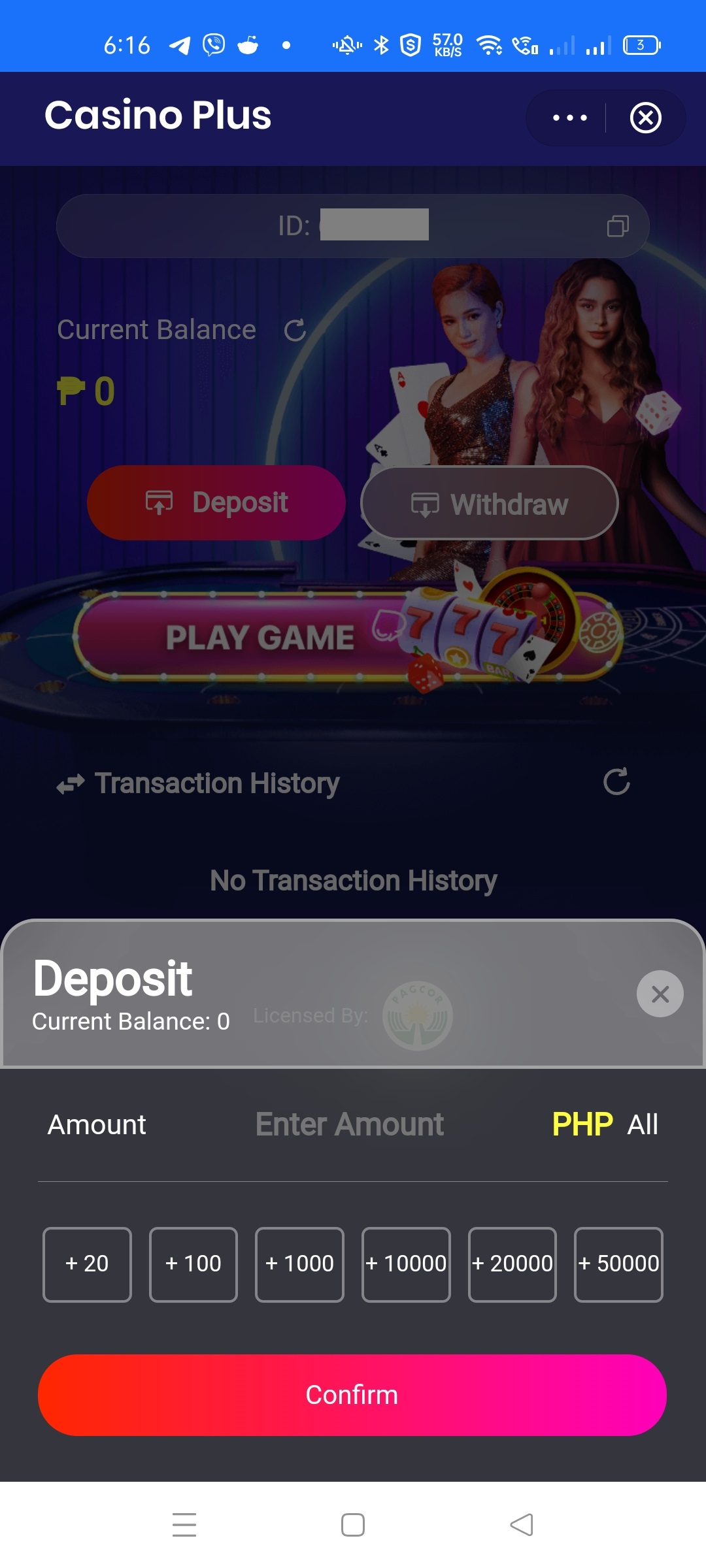
Payments through the iOS web platform ride the same security rails as the desktop experience, with extra biometric authentication layers present on compatible devices. Funding start through a cashier interface optimized for mobile screens. Payment choices appear as large touch targets with clear processing time and fee information presented before you confirm anything. The platform works with Interac e-Transfer for Canadian players, steering users through their banking app’s confirmation process step by step without making them leave the casino interface. Cryptocurrency deposits generate QR codes scaled right for scanning from another device or copying wallet addresses to the system clipboard. Withdrawal requests follow a structured workflow that checks identity documents through the device camera, automatically cropping and rotating uploaded images to hit compliance requirements. The whole banking section works inside the same secure context as the rest of the platform, under the TLS 1.3 encryption that protects all data moving between the device and Winshark servers.
Security Protocols Tailored for iOS
Apple’s security architecture adds protection layers that the Winshark app leverages for player account safety. The Secure Enclave processor, found in all supported iPhone models, manages biometric data processing locally without ever shipping fingerprint or facial recognition data to external servers. When players turn on biometric login, the platform saves only an encrypted token that the Secure Enclave checks against the stored biometric template. That builds a cryptographic chain nobody can reverse-engineer from server-side data. Safari’s Intelligent Tracking Prevention framework automatically stops cross-site tracking attempts that might threaten account security, while the platform’s Content Security Policy headers stop unauthorized script injection. Session management depends on short-lived JSON Web Tokens refreshed through silent background requests, so compromised tokens expire before anyone can exploit them. The platform also offers hardware security keys through Safari’s WebAuthn implementation, letting players who own YubiKey or similar devices require physical authentication requirements to their account access.
Game Variety and Mobile Functionality
The complete Winshark Casino game library moves to the iOS mobile experience intact, excluding the content trimming that often comes with dedicated apps limited by App Store size limits. More than 1,800 individual titles spanning slot machines, table games, video poker variants, and live dealer experiences open on demand through a lazy-loading architecture that retrieves only the specific game engine needed for the current session. Slot performance on iOS benefits from Metal API acceleration through Safari’s WebGPU implementation, which delivers low-level access to the graphics processor for complex shader effects. Imagine dynamic lighting on reel symbols, particle-based win celebrations, and smooth bonus round transitions. Table games utilize a different optimization profile, focusing on touch target accuracy for chip placement on complex bet layouts like those in roulette and craps. The interface enlarges betting areas when it detects a finger approaching the screen, implementing something like Apple’s Hover Text functionality even on devices without official hover support through smart touch event analysis.
Live Dealer Implementation on Mobile
Live dealer games stretch the technical limits of the mobile casino experience. They require synchronized video streams, real-time bet placement, and chat functionality inside one unified interface. The Winshark app handles these demands with a tiled interface design that positions the video feed front and center while layering translucent bet controls that stay out of the way of the table view. Stream latency typically runs 400 milliseconds on solid connections, preserving the natural back-and-forth rhythm that makes live dealer play engaging. The chat interface shrinks to a single line when idle, then expands on tap to show message history and the text input field. Players can talk with dealers and other participants through this system, which runs server-side profanity filtering and supports multiple languages applicable to the Canadian market, including English and French. The video player supports both landscape and portrait orientations, instantly reframing the table view to keep the dealing area and community cards or wheel displayed depending on the game type.